
The data accumulated contributes significantly to the advancement of knowledge on bird migration, and the results have been published in several internationally renowned scientific journals.
Boreal songbird monitoring program
The location of the Tadoussac Bird Observatory’s research projects has made it a sentinel of the boreal forest since its creation in 1995, on the most important migratory corridor along the St. Lawrence River.
Spring
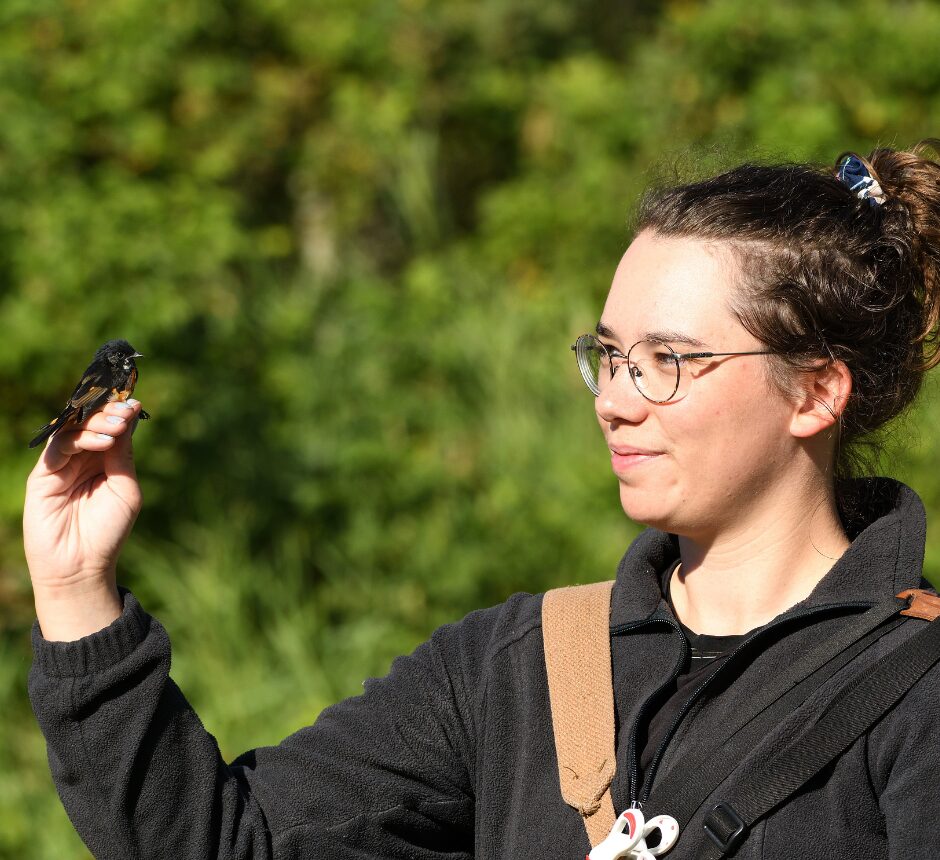
In 2018, a migration monitoring program, based on passerine banding, began at the Maison de la Mer in Les Bergeronnes. This program focuses primarily on neotropical passerines migrating to their nesting sites. This station, strategically located along the river in the midst of shrubby vegetation, is one of the most northerly in eastern Canada.
Alexandre Terrigeol
Alexandre Terrigeol
This program provides an opportunity to obtain data on the health of migrating birds. It also provides additional data for understanding the phenomenon of reverse migration.
Finally, the site’s location provides a valuable training opportunity, enabling students from numerous schools and colleges to learn about passerine ringing techniques.
Autumn – Special projects
Since the late 1990s, the TBO has been involved in more specific projects than long-term monitoring, aimed at the targeted capture of passerines and woodpeckers exhibiting diurnal migratory behavior. These projects complement visual surveys by obtaining data such as body condition, sex ratio and age of individuals transiting the Tadoussac dunes.
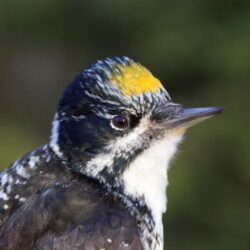
Pic à dos rayé - François-Xavier Grandmont
A northern position
These specific projects, compared to the migration monitoring program, aim to answer specific questions, such as the origin of birds transiting through Tadoussac, the state of health of bird populations generally not captured “passively”, and the migratory routes taken by these birds.
The dunes site, with its location, diversity and abundance of birds, also lends itself very well to the implementation of master’s and doctoral projects.
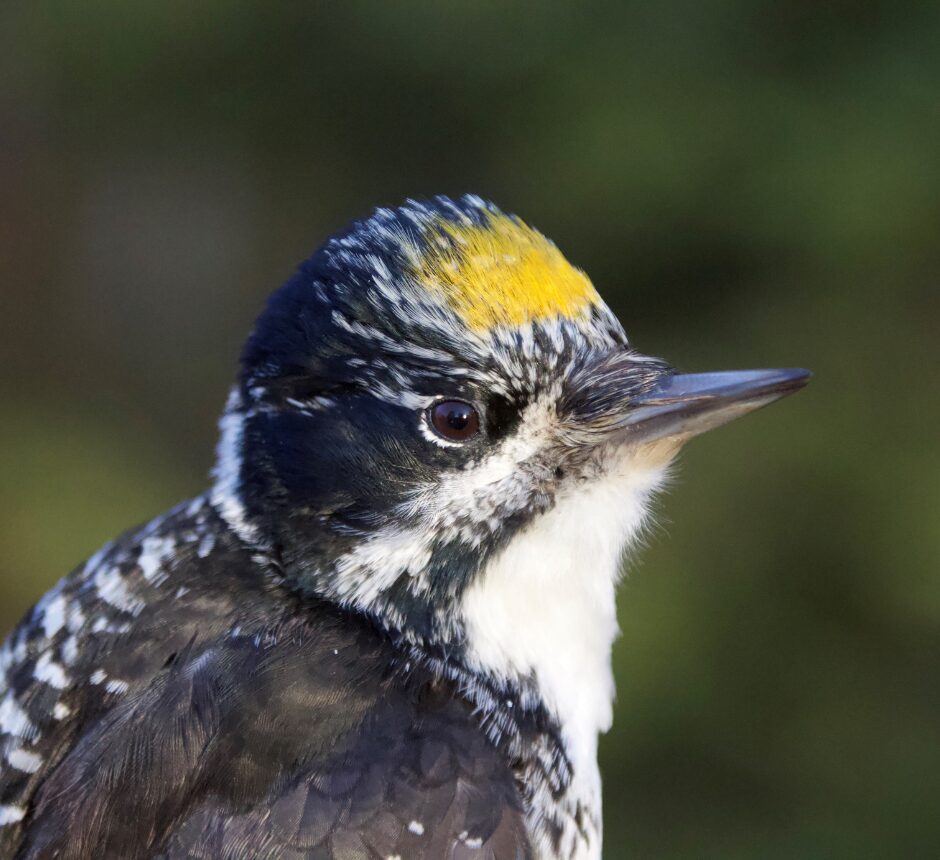
Pic à dos rayé - François-Xavier Grandmont
Recaptures
The Tadoussac Bird Observatory is strategically located at the southern edge of the boreal forest, in the heart of Quebec’s most important fall migration corridor.
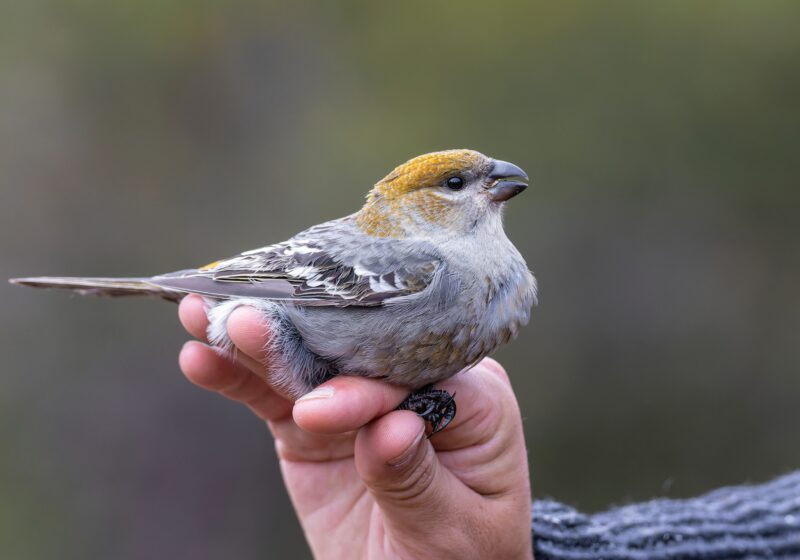
Monitoring irruptives bird species
Begun in 2007, this project aims to acquire a wealth of biological data in order to better understand the years in which certain passerine species are present in such large numbers in the dunes.
As the numbers observed are particularly variable from one year to the next, banding provides us with additional information to our visual surveys.
The age of the individuals captured gives us an idea of the reproductive success and body condition of the individuals passing through the site.
Among the only data of this type collected on these species in the east of the continent, it represents a valuable source of information for a better understanding of the state of populations and the factors dictating the cycles observed.
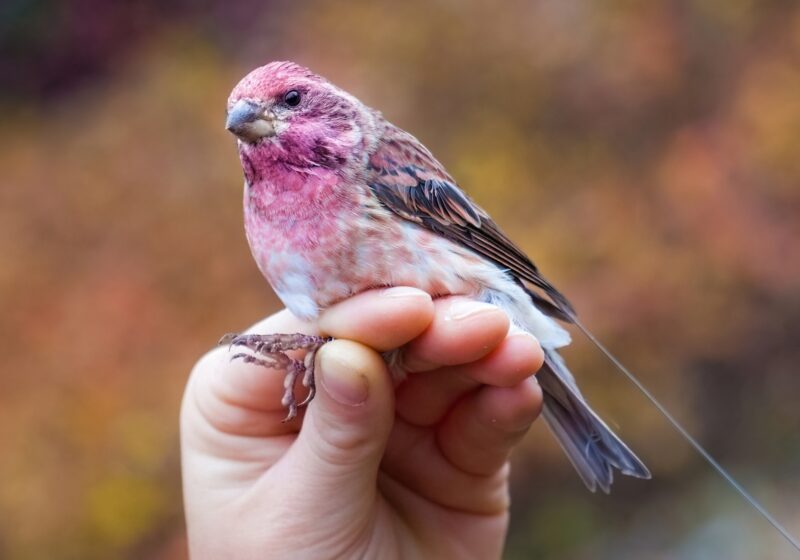
Motus Wildlife Tracking System
The Motus Wildlife Monitoring System (Motus meaning “movement” in Latin) is considered the world’s most ambitious bird-tracking project. Initially launched in Ontario in 2014, this project uses a network of antennas positioned across North America to detect signals emitted by nano-transmitters placed on various animals, mainly birds.
In Tadoussac, since 2014, the TBO has equipped some ten passerine species with these transmitters, leading to the publication of several scientific articles in internationally renowned journals. The data generated by this project opens up new research perspectives, notably on migratory trajectories, migration duration and wintering grounds.
Sizerin flammé - Alexandre Terrigeol
Irruptives species
An irruption is a sudden change in the population density of an organism, usually due to food availability. The TBO is at the forefront of documenting species irruptions. In some years, it is not uncommon to observe tens of thousands of birds, annual residents of the boreal forest, moving further south in search of food. Irruptive species include Redpolls, Crossbills, Evening Grosbeaks and Boreal Chickadees.
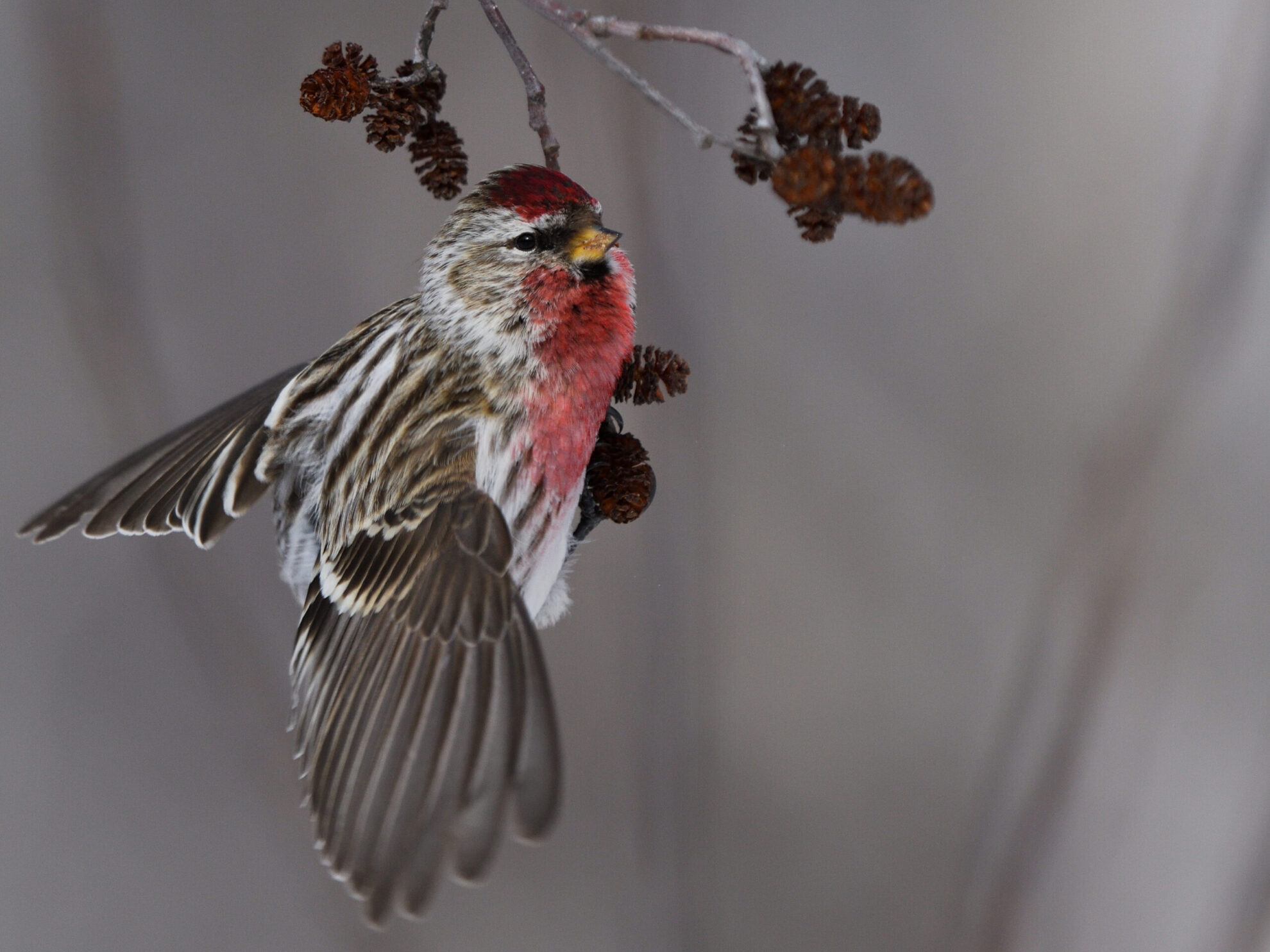
Sizerin flammé - Alexandre Terrigeol
Vous voulez nous aider ? Devenez bénévole !
Depuis sa création, la poursuite des différents programmes de baguage de passereaux a été possible du fait de l’implication d’un grand nombre de bénévoles.