
Goals and mission
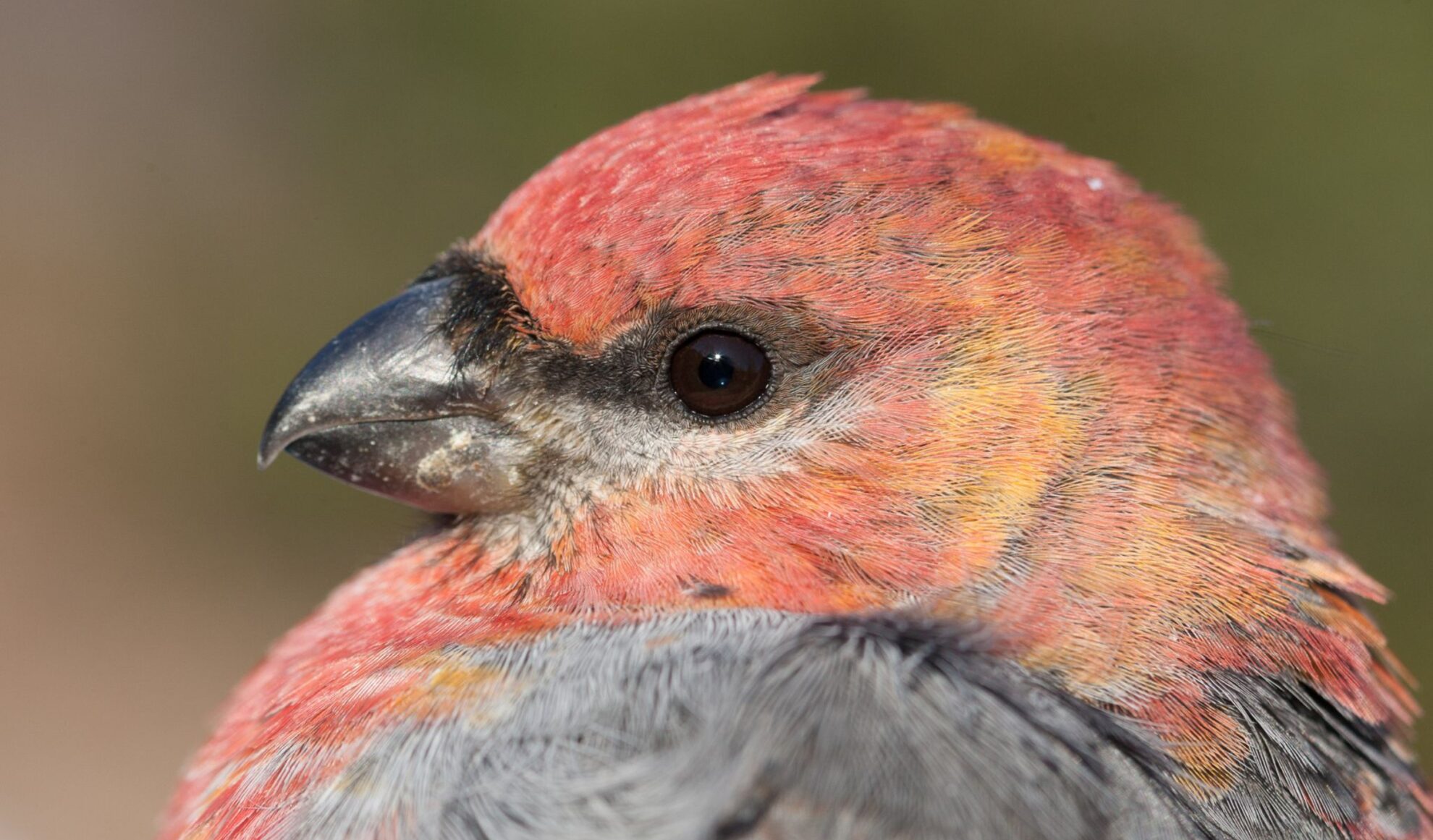
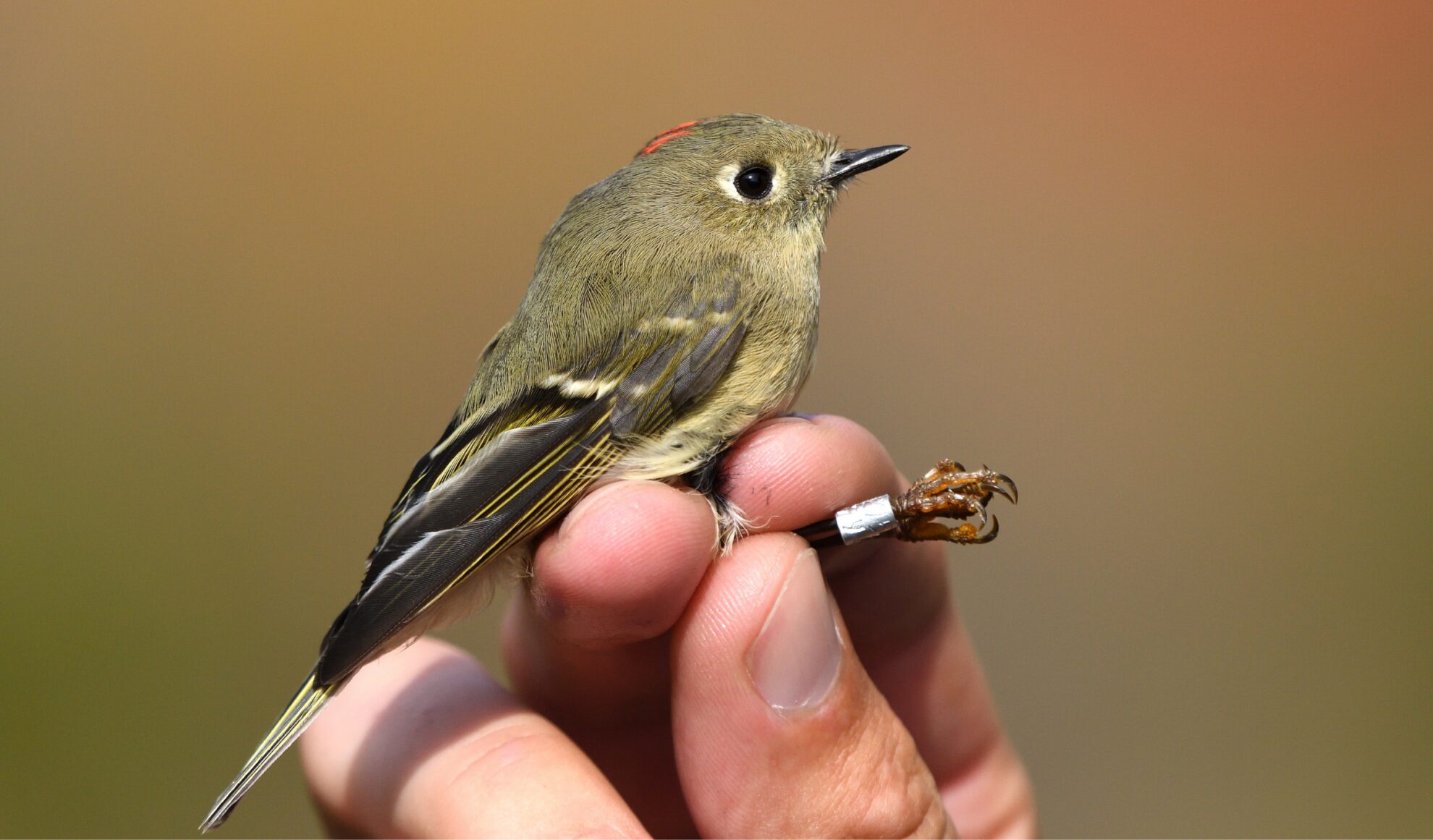
TBO’S mission is to gather data on migratory bird populations, specifically boreal species, in order to assess their demographic trends.
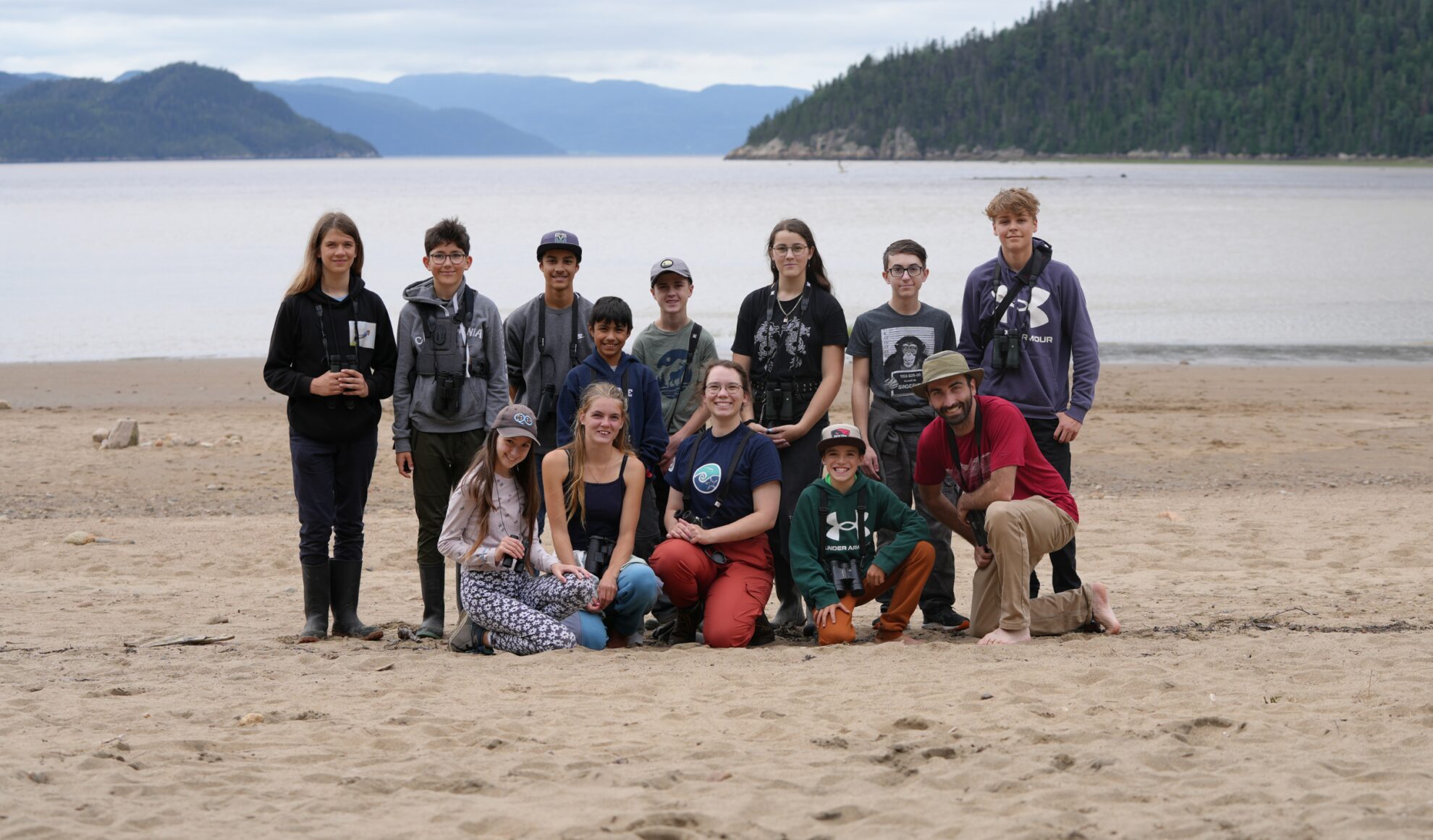
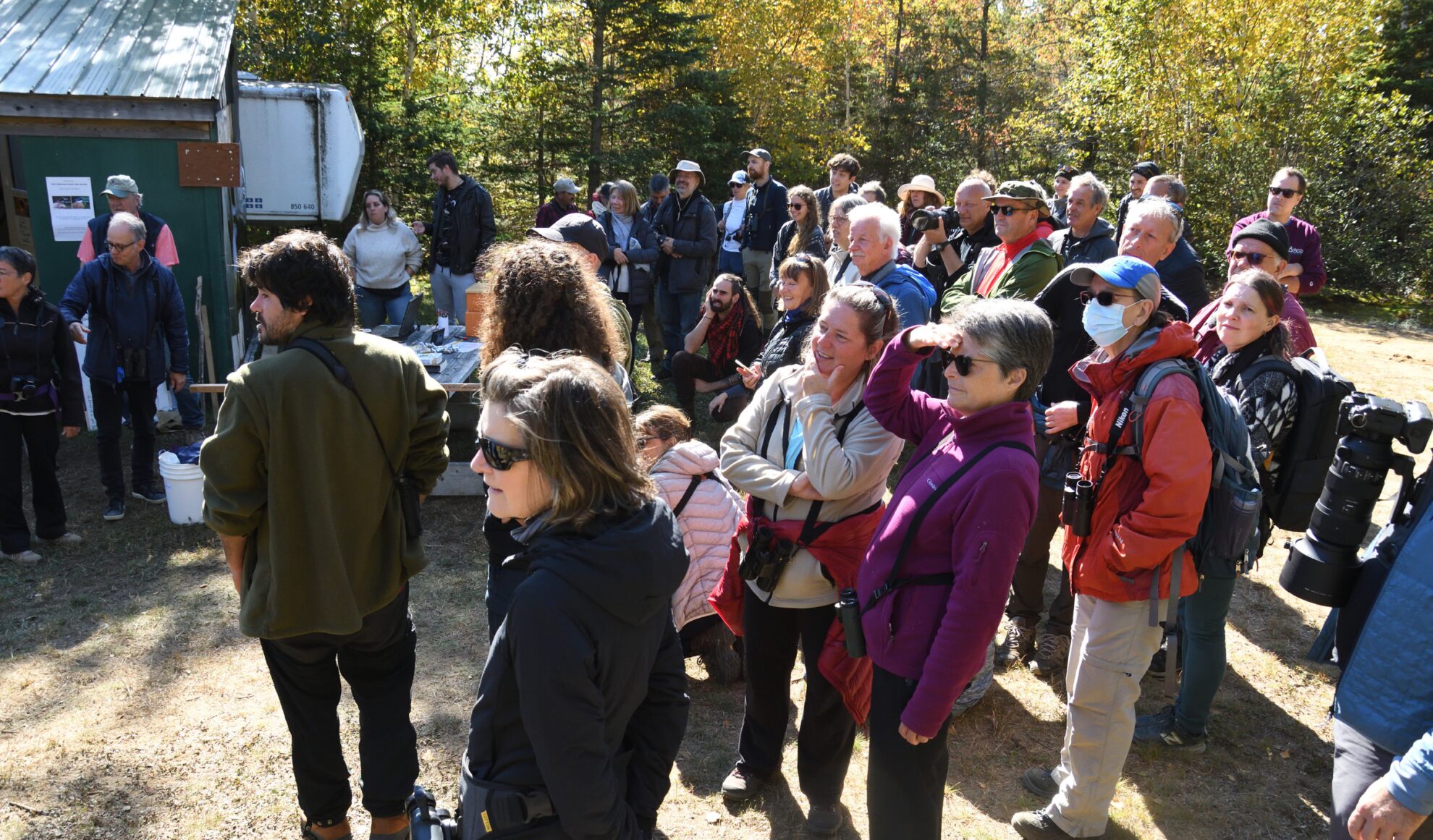
The organization also aims to train ornithologists and raise public awareness on migration, boreal forest ecology, as well as the bird species using such habitats.

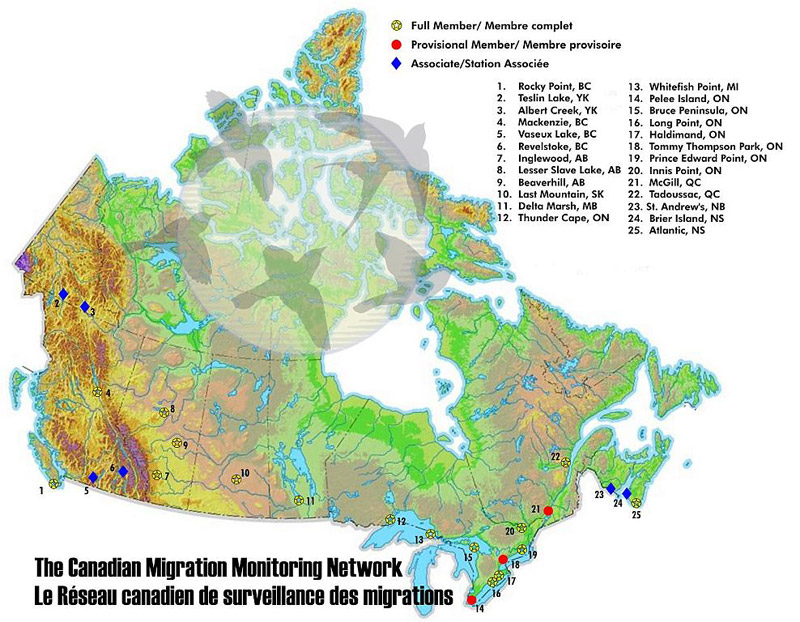
TBO : key member in monitoring networks
TBO is a member of the Canadian Migration Monitoring Network (CMMN-RCSM), overseen by Birds Canada, of the Hawk Migration Association of North America, and of the Équipe de rétablissement des oiseaux de proie du Québec (ÉROP).
TBO has been acknowledged as a key partner in the Important Bird and Biodiversity Areas (IBAs) program, managed by Nature Québec, and in the North America Bird Conservation Initiative (NABCI). The observatory is also and associate member of QuébecOiseaux.
Three monitoring sites
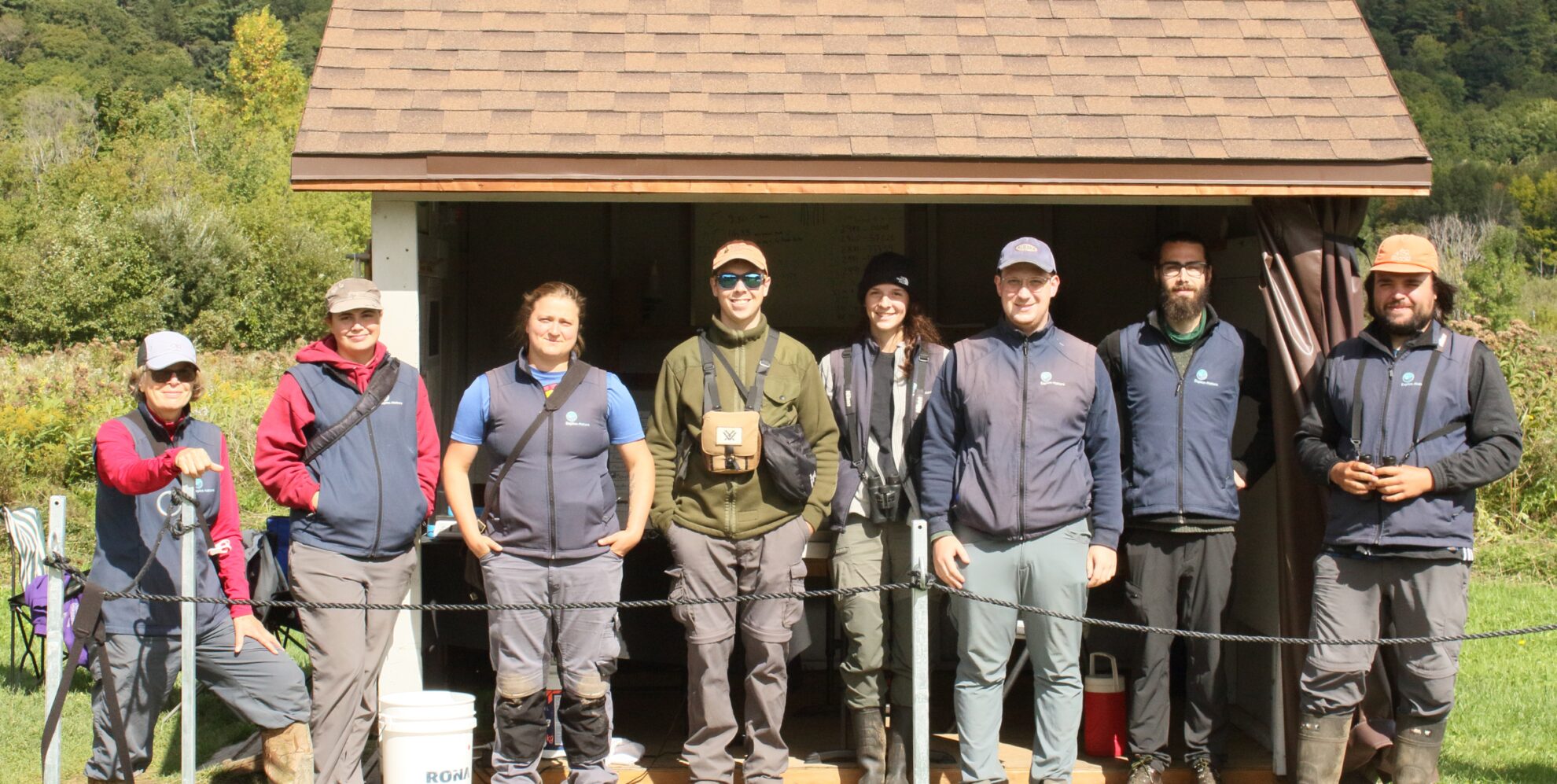
TBO’s research projects are mostly conducted in the spring and fall, in two highly strategic areas. The first two study sites iare located in the Haute-Côte-Nord region, at the Dunes of Tadoussac and at Bergeronnes. The third study site in located, less than one hour from Quebec City, in the Cap-Tourmente National Wildlife Area (created and managed by Environment and Climate Change Canada). All three study sites are internationally renowned for their high bird numbers during the migration and for their exceptional scenery.
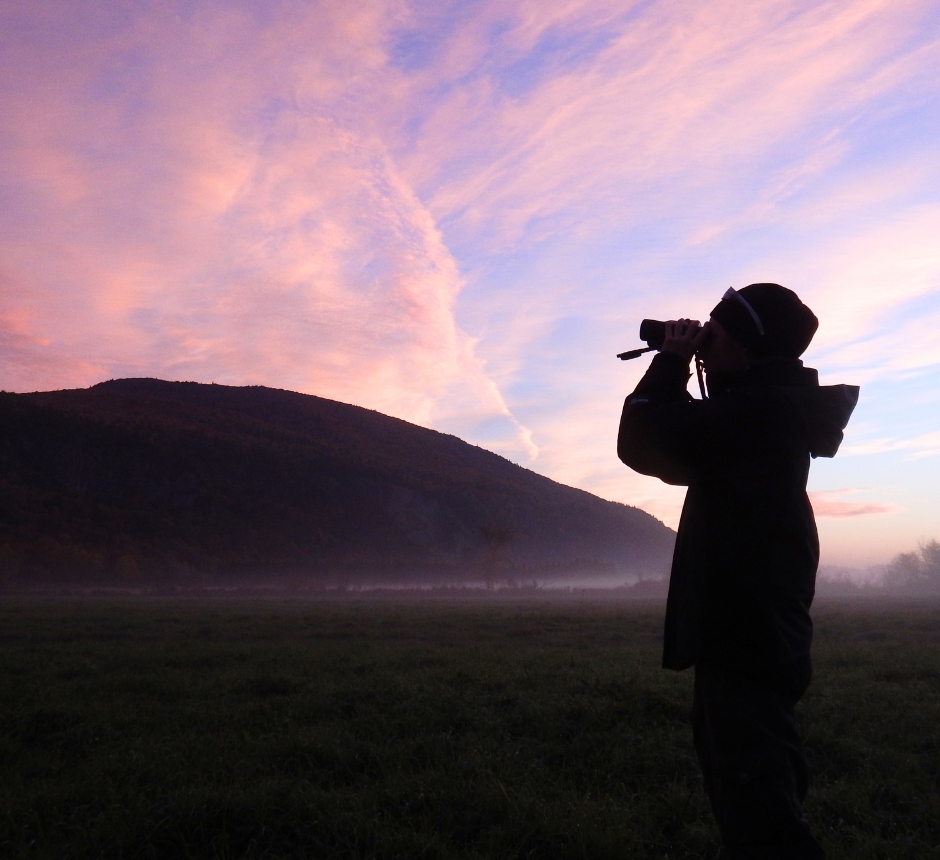
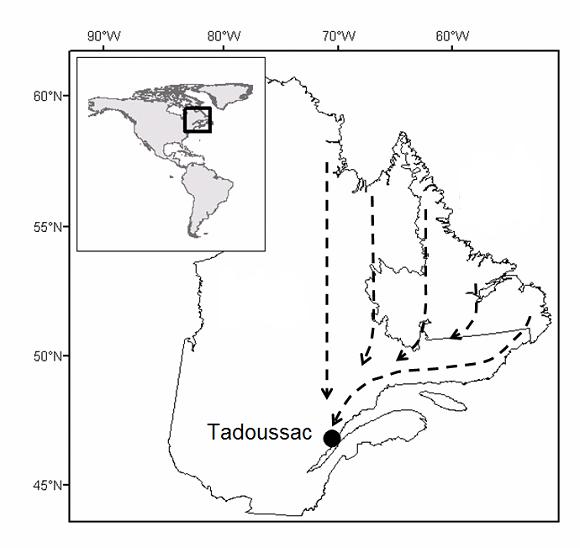
Tadoussac : A Migratory Bird Concentration Site
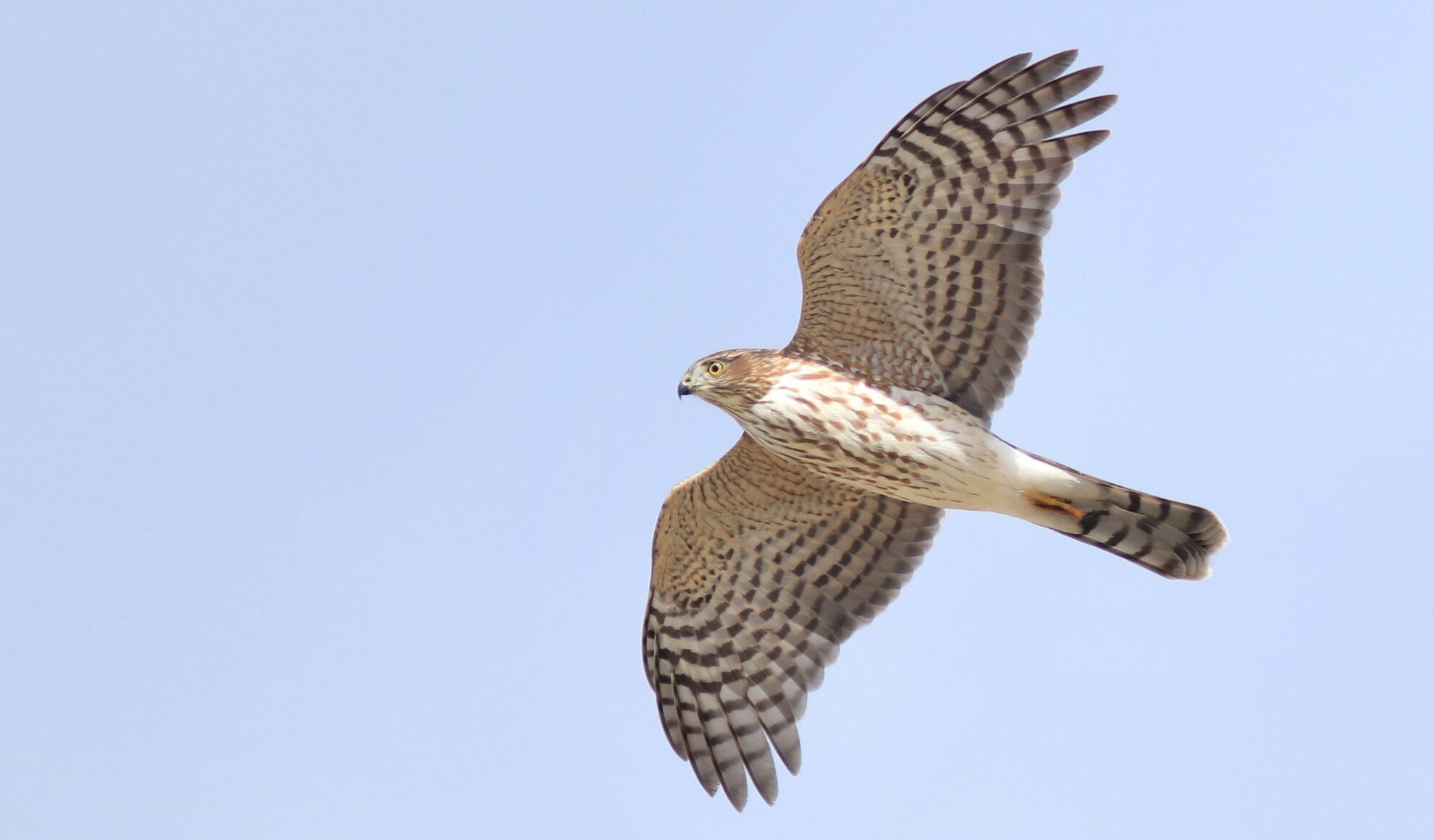
The St. Lawrence River Estuary and Gulf have long been known to influence bird migratory behavior, especially during the fall migration. In the case of the north shore of the St. Lawrence river, east of Tadoussac, raptors and songbirds migrating in the daytime from northern Quebec and Labrador tend to avoid the dangerous crossing of the St. Lawrence river and prefer to follow the north shore. TBO’s monitoring sites are strategic location allows us to study migrating bird population as they funnel along the coast, creating a migration corridor that remains until Sainte-Anne-de-Beaupré, a town east of Quebec City.
Timeline
1990
October 20 : 350 migrating birds of prey are counted around the Dunes of Tadoussac in one hour by Yvan Duchesne.
1991
Jacques Ibarzabal and Adalbert Bouchard confirm the presence of a migration corridor for raptors in the bay du Moulin-à-Baude, Tadoussac.
1992
First systematic visual surveys : a total of 7000 raptors are counted during the season.
1993
Official start of daily raptor visual surveys for the entire migration period (August to November)
1995
Start of the counts and monitoring for migrating songbirds
1996
Tadoussac Bird Observatory becomes the research chapter of Explos-Nature Corporation. Jacques Ibarzabal is the new founding director. Start of the Saw-whet and Boreal owl monitoring program
2001
Start of the Black-backed woodpecker and American three-toed woodpecker monitoring program. The project spanned over five years and lead to a scientific publication.
2003
Creation of the scientific committee, sponsor committee, and Fonds des amis de l’OOT.
2007
Start of the boreal songbird monitoring program
2009
First edition of Côte-Nord Migratory Bird Festival and start of an exploratory spring project on neotropical-bird reverse migration
2013
TBO’s 20th anniversary is celebrated during the 5th edition of the Côte-Nord Migratory Bird Festival. A memorial plaque honoring Yvan Duchesne is revealed and installed at the belvedere used for visual surveys.
2015
Start of the fall migration monitoring program at Cap-Tourmente National Wildlife Area
2016
Return of the Jeunes Explos ornithological youth camps
2017
Start of the spring migration monitoring project on neotropical birds at Maison de la Mer, in Bergeronnes
2023
Start of the spring migration monitoring program at Cap-Tourmente National Wildlife Area, and start of an aerial insectivore and nesting bird survey in the summer